Skip to content

How To Choose The Right Waterproof Jacket

Buying & Care Guides 12 min read

Waterproof jackets are a staple for anyone taking on mother nature, especially those doing so in Britain. An essential final layer to any outdoor clothing system, the waterproof performs the task of keeping you dry in wet conditions. So, why the price difference between different options? As your outdoor experts, we’ve created this comprehensive advice guide to help you understand the different types of waterproof jackets and decide which one you’ll need for your chosen activity.

What makes a good waterproof jacket?

A waterproof jacket is one of the most important outdoor garments, so it’s no surprise that outdoor brands are constantly looking at ways to innovate with new features for all types of adventurer. However, the core performance of a quality waterproof jacket can be broken down to just three main performance attributes:
1. Waterproofing

Waterproofness is a scale. This is because some fabrics have higher standards of waterproofing which create a more durable jacket that will stay waterproof for longer. The way this is measured is called Hydrostatic Head, which we’ve covered in detail further down in this guide. There are two main methods to waterproofing a fabric – membranes and coatings, which are both applied to the inside of the outer fabric of a garment. Let’s explore each in a little more detail.

Membranes (Laminates)

Membranes or laminates are very thin films bonded to the back of the outer fabric. Well-known membrane technologies include GORE-TEX®, Pertex® Shield and Hydroshell®. A membrane is a piece of porous material. When the pores are too small for water molecules to penetrate, but large enough for water vapour I.e. sweat to escape out of, the membrane is then both waterproof and breathable.

Although they all achieve the same outcome, each membrane technology differs in composition and manufacturing process, resulting in different standards of waterproofing. Membranes are often more expensive than coated jackets but offer higher levels of breathability and weather protection.

waterproof jacket coatings

Coatings

Commonly the simplest way to waterproof a jacket, a liquid coating is applied to the back of the outer fabric during construction in the same way you would apply paint with a roller. When the liquid dries it creates a solid but breathable layer. A waterproof coating applied on the inside of the jacket is not to be mistaken for a DWR (Durable Water Repellent) coating, which we’ll come to later on in this guide.

2. Breathability

Your body’s response to active exertion is to sweat. If your waterproof jacket is destined for a life of outdoor adventure, it’s going to need to be breathable to maintain your comfort. When we talk about jackets being ‘breathable’, we mean the extent to which the garment allows moisture vapour (your sweat) to escape. A garment which is not breathable will hold your sweat on the interior of the fabric, often causing you to overheat, before creating that cold and clammy feeling. Much like Waterproofness, breathability gets its own rating which we’ve covered in detail later on in this guide.

3. Durability

Exploring the great outdoors is often more than just a walk in the park. Waterproofs battle with heavy rain, abrasion with objects, and rucksack wear across the shoulders. The trade-off when considering a waterproof jacket is durability vs weight as tougher fabrics tend to be heavier. A multi-day hiker will need a different jacket to a light and fast runner for example. The spec to look for here is the denier of the material (e.g. 50D polyester). The higher the number, the thicker the fabric. Many brands opt to use ripstop fabric for their most durable waterproof jackets. Ripstop is a style of high tensile woven fabric that ensures that even if the fabric is punctured, the tear won’t easily spread. This is ideal for outerwear that will encounter abrasion against objects like thorns and rock faces.

waterproof jackets technical features

Technical Features of Waterproof Jackets

Beyond the big three, there’s a variety of features and components to look for when selecting your new jacket. Which ones you need will depend on the activity you’re doing, so we’ve made some recommendations on which activities each feature is beneficial for.

Taped Seams

For a jacket to be completely waterproof, it also needs taped or sealed seams. The inside of a waterproof jacket will have strips of tape covering the seams. This taping will not let any moisture through whatsoever, so the more taping, the less breathable the jacket. Premium brands work hard to reduce the amount of taping to create a lighter, suppler, more breathable jacket. Taped seams are a feature of all good waterproofs.

Adjustable Hood

As a minimum, a hood should adjust to create a snug and secure fit, staying put even in strong winds. This is a requirement for all levels of adventure, from dog walking to mountaineering. A stiffened peak is a common addition that helps prevent rain from dripping onto your face or inside the jacket. Helmet-compatible hoods are available on climbing jackets which are larger than usual and designed to fit over a helmet when climbing or mountaineering.

Adjustable hem and cuffs

Drawcords or Velcro at the hem and cuffs will eliminate drafts and prevent water from getting in by cinching the jacket to suit your shape. This provides a tailored fit which also improves your comfort and freedom within the jacket. Adjustability usually comes with all jackets but is especially important on more technical pursuits that involve scrambling or climbing where baggy sleeves can be dangerous.

Pockets

Most waterproofs will have pockets, but it’s the type of pocket that determines whether the jacket is suitable. Waterproofs with map pockets are ideal for long-distance hiking, while fleece-lined pockets are better for less intense activities like commuting. Climbing jackets will feature raised pockets that sit above a harness and can also come in handy for backpackers to prevent a hip belt from blocking access.

Waterproof zips

Water-resistant zips like YKK Aquaguard form a tight seal that repels water to prevent weak spots in the jacket. They’re a common feature of technical jackets that look to streamline weight and design. An alternative which is used in less technical jackets is a stormflap – a thin strip of fabric which covers the zip to prevent water from seeping in.

Pit Zips

Some lightweight waterproofs can be packed into a pouch or their own pocket to save space when they’re not being worn. We don’t recommend storing them like this long term, but the benefit comes when you’re travelling, cycling or hiking and need to save room in your pack.

waterproof jackets

Do I need a three-layer waterproof jacket?

The price of a waterproof jacket is often determined by its construction. Primarily, there are three main construction techniques which you should look out for when deciding on the right waterproof shell for you.

2-Layer waterproof jackets

A face fabric with a membrane or coating bonded to it, usually protected by a separate mesh or nylon fabric. Common in less technical waterproofs. Suited to basic activities like dog walking.

2.5-Layer waterproof jackets

A face fabric and membrane with a printed backer for protection. The coating or print applied to the surface makes these jackets lighter and more packable than 3-Layer construction, but they tend to be less durable. Suited to fast and light activities like running and day hiking.

3-Layer waterproof jackets

A face fabric, membrane and backer fabric. This offers the most reliable membrane protection because the waterproof membrane technology is sandwiched between two hardy fabric layers. Suited to intense activities like mountaineering and climbing. The other benefit is that evaporated perspiration can reach the membrane without having to pass through a liner, promoting breathability despite having a thicker construction.

Sustainability

Virgin materials will never be planet-friendly, but outdoor brands are working hard to create products which reduce their impact on the planet while maintaining long-lasting performance. If the environment is a factor in your purchasing decision, here are some features to look out for.

• Recycled materials used in the construction of a waterproof jacket reduces the amount of raw resource required.

• Recyclable materials mean that a waterproof jacket has the future potential to be fully recycled at the end of its life.

• PFC-Free/fluorocarbon-free Durable Water Repellent treatments that repel water but have a much lighter environmental impact.

• Premium quality waterproof jackets will last longer when cared for properly and therefore won’t need to be replaced as soon, which is good news for your wallet and the planet.

• Repair services like Berghaus’ Repairhaus can perform repairs to a jacket that has been damaged during use, so you won’t have to replace it. The Repairhaus accepts any brand of jacket and only costs you the price of postage.

waterproof jacket fitting

How should a waterproof jacket fit?

There are a variety of waterproof shells designed for different outdoor activities. Each as we have seen will provide a different level of waterproofing and breathability to suit the sport. Similarly, the way they fit and are shaped matches the activity. Let’s explore the most common styles.

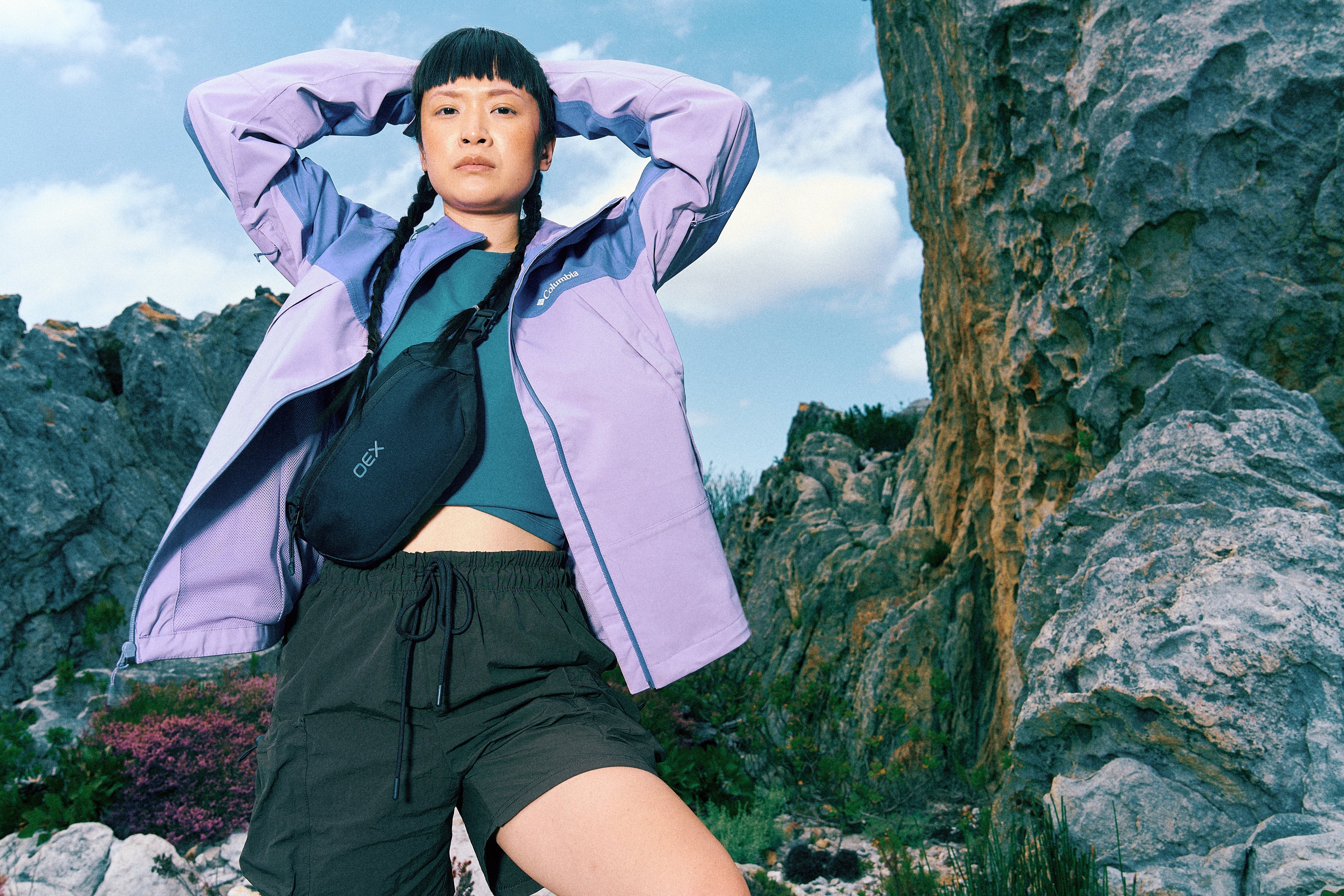
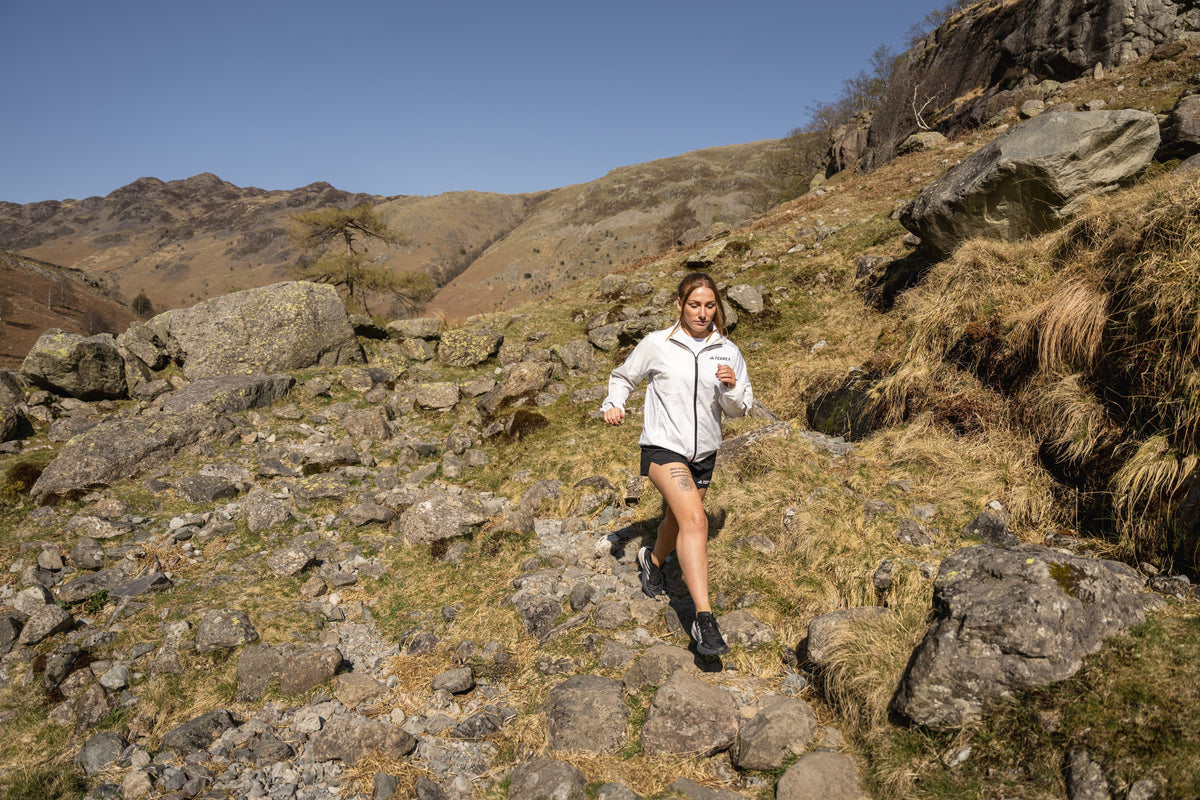
Lightweight Running Jackets (Active Fit) – low-volume jackets with an athletic cut to minimise weight and excess fabric on the trail. Often these pack into their own pocket or a stuff sack. These jackets should hug the body without feeling restrictive.

Hiking Shell Jackets (Relaxed Fit) – slightly longer in the body, with a generous fit that provides freedom of movement when wearing extra layers such as a fleece.

Climbing & Mountaineering Jackets (Technical Fit)– commonly a more tapered body with higher volume around the chest, moving down to a more fitted design around the hips and hem to reduce bulk when wearing a harness. Angled sleeves and articulation aid freedom of movement. Pockets are often raised to allow access when wearing a climbing harness or rucksack.

Caring for your waterproof jacket

Over time, the performance of your waterproof jacket will diminish. This is caused by the water repellent coating wearing off and dirt and sweat particles blocking the pores within the waterproof membrane. Washing and reproofing will breathe new life into your jacket and improve its performance in the wet.

We’ve written a guide to washing waterproofs, but here are some quick tips to follow:

• Don’t use regular detergent, it will damage the repellent coating. Instead, always use specialist reproofing products.

• Wipe or brush off as much dirt as you can before washing.

• Use a low heat, hand wash cycle.

• Don’t wash more than two waterproof products at once, and don’t put your regular clothes in the same cycle.

• For maximum performance, perform a cleaning cycle and a reproofing cycle. Nikwax and Grangers often sell the two products as a pair.

girl in waterproof jacket

FAQs About Waterproof Jackets

What is Hydrostatic Head?

Hydrostatic head is a rating which tells you how waterproof a jacket is. It is a measure of how much water pressure your waterproof can withstand before it starts to leak through. Commonly measured in (mm), the Hydrostatic Head refers to how high a column of water would need to be before it starts to penetrate the fabric (i.e. 20,000mm = 20m high). If that all sounds a bit technical, don’t worry. The higher the number, the better the performance.

• 5000mm Hydrostatic Head: Known as the lowest threshold for a waterproof. Jackets with this rating are suitable only for light, infrequent showers or snow.

• 10,000mm Hydrostatic Head: A good performance rating that will protect you in heavy showers. Common in garments such as mid-range hiking jackets.

• 20,000mm Hydrostatic Head: A high-performance shell jacket that can withstand sustained high-pressure rainfall. This technical jacket will commonly feature membrane technology like GORE-TEX®.

What is a breathability Rating?

Breathability is rated in garments using the MVTR or Moisture Vapour Transmission Rate. This is counted in grams per square metre per day (g/m2/24hrs). Often listed as the second number after Hydrostatic Head, this measurement explains how much moisture can pass through your jacket’s fabric as it wicks sweat away from the skin.

• 5000 – 10,000gm2: For light activity and everyday wear, a coat with this rating will provide an acceptable level of breathability for low-level activities

• 10,000 – 20,000gm2: A garment with this rating will provide good protection against most types of activity including hillwalking and running.

• 20,000gm2 +: All-day hikers and long-distance runners will require a jacket with a high level of breathability due to the increase in perspiration from high aerobic activities.

What is a Durable Water Repellent (DWR) coating?

Outdoor garments are often treated with a Durable Water Repellent (DWR) treatment, a thin liquid coating which prevents rain droplets from saturating the surface and blocking the waterproof technology. Instead of soaking into the garment, the rain simply beads (rolls) off.

What is the difference between waterproof and water resistant?

Water resistance and water repellence aren’t the same as waterproofing. Water-resistant material will resist water during a short, light shower, but will let water in during a sustained shower. Waterproof membranes and material is designed to withstand heavy rain for much longer. Usually, a waterproof jacket features a waterproof membrane and is treated with a water-resistant coating. The two combine to provide complete protection.

What is a 3-in-1 Jacket?

A 3-in-1 jacket is a combination of layering garments which zip together to regulate comfort and body temperature as your activity level or the weather changes. Most importantly, 3-in-1 jackets feature two jackets which can be worn in three ways. The three ways are:

1. Waterproof jacket only – provides complete protection in wet conditions

2. Insulated layer (fleece) only – keeps you warm in cold, dry conditions

3. Both layers zipped together – Provides complete protection in cold and wet conditions

Adam Warrington - Author

Adam is a lover of the outdoors who’s recently moved back to rural Lancashire after living in the urban confines of Leeds for the past few years. His favourite pastimes include cooking, playing countless sports to a barely acceptable standard and exploring the local countryside with his dog, Chip.

When the weather gets in the way, Adam can be found at home watching films & TV and listening to music. If he’s not there, he’ll be in the pub down the road.  


Share on

Continue reading