The Complete Guide to Trail Running
Trail running is one of the fastest-growing outdoor sports in the UK, combining the freedom of running with the variety of natural terrain. From woodland paths and coastal trails to rocky mountain tracks, every route offers a different challenge and a different view.
Whether you're moving off the pavement for the first time or looking to progress on more technical terrain, this guide covers everything you need to know. You'll learn what trail running is, how it differs from road running, how to get started, what to wear, how to choose the right shoes and where to run in the UK. The FAQ section at the end answers the most common trail running questions, and once you've finished reading, you can explore the full trail running range at Blacks.

What is Trail Running?
Trail running means running on natural, unpaved surfaces. That could be a woodland path, grassy hillside, coastal trail or mountain route. The common thread is simple. You're off the tarmac and onto terrain that changes beneath your feet as you move.
It feels different from road running and places different demands on your body, but it isn't a separate sport with a steep learning curve. If you can run, you can trail run.
Part of its growing popularity comes from variety. Trails change constantly, and the UK has a huge range of landscapes within easy reach of most towns and cities.
Trail Running vs Road Running: What's Different?
The surface is the obvious difference, but it affects almost everything else.
Trail terrain changes constantly. Roots, rocks, mud, climbs, and uneven ground mean your feet and legs are always adapting. Over time, that helps develop lower-body strength and stability.
Pace is usually slower, and that's completely normal. Trail running is better measured by time and effort than pace per kilometre. A hilly trail run at the same effort as a road run will nearly always be slower.
Many runners also find trail running more absorbing. You're reading the ground, adjusting your stride and making decisions as you go. That extra focus is part of the appeal.
The impact feels different too. Road running repeats the same movement pattern on a hard surface. Trails vary from stride to stride, spreading that load more naturally. The trade-off is that stabilising muscles, particularly around the ankles, must work harder.
Shoes matter more as well. Road shoes can struggle on mud, grass and loose ground. Trail shoes are designed for grip, protection and stability, and the difference is noticeable from the first run.
How to Start Trail Running
One of the biggest misconceptions about trail running is that you need specialist skills or remote mountain routes. You don't.
Start local. A footpath, canal towpath, woodland trail or grassy park is enough. Confidence and trail-specific fitness build naturally over time.
Slow down. Your road pace won't translate directly to the trail, especially on hills or technical terrain. Focus on effort rather than speed.
Walk steep climbs when needed. Even experienced trail runners do it. It's often the most efficient way to manage energy.
Build gradually. Trail running places new demands on your feet, ankles and lower legs. Start with short routes and add distance over time.
If you can, run with others. Local clubs and group runs can help you discover routes, improve confidence and spend less time worrying about navigation.
What to Wear for Trail Running
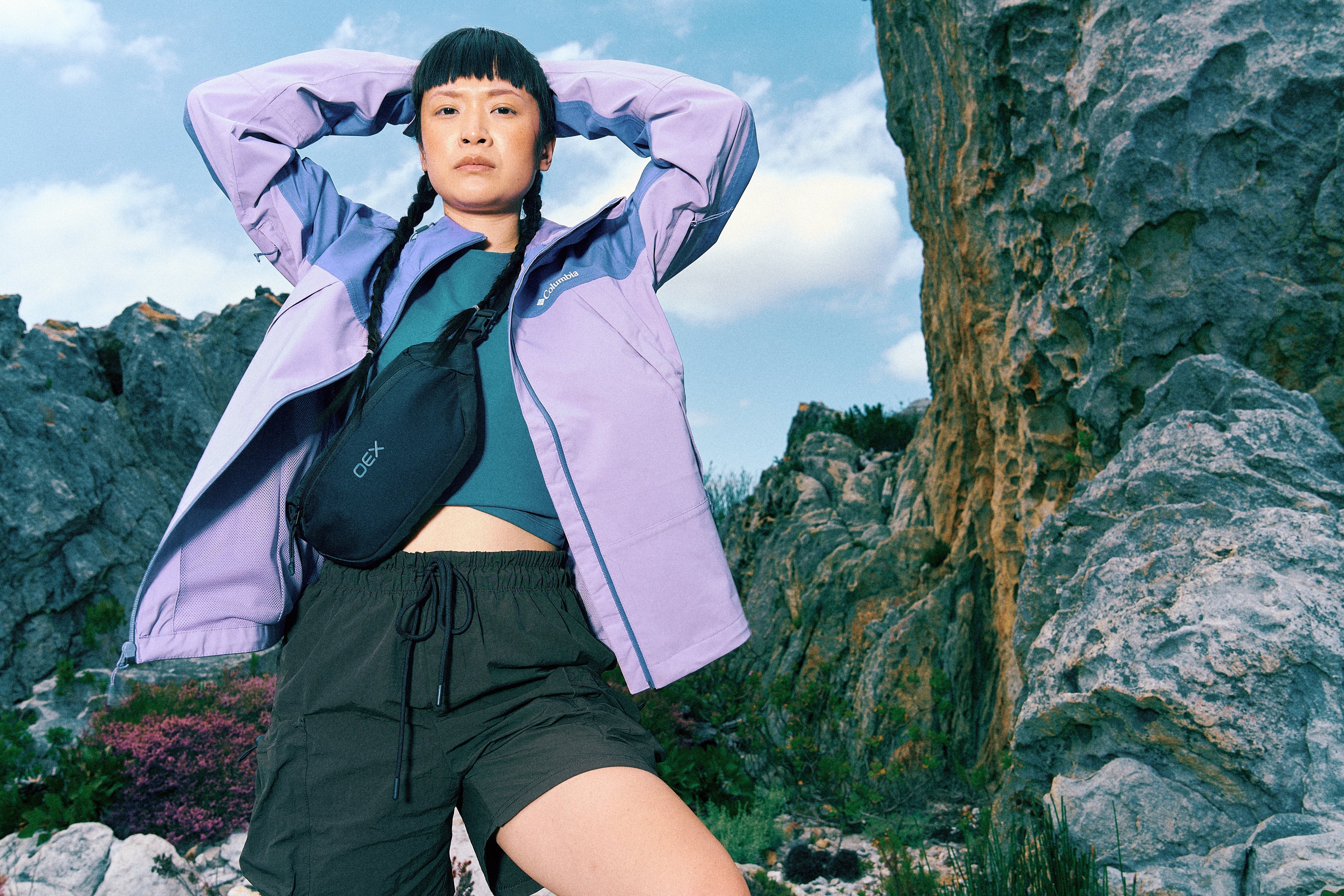
The right kit doesn't need to be complicated. Focus on comfortable layers, technical fabrics and pieces that adapt when conditions change. In the UK, they usually do.
Base Layer
The layer closest to your skin should move moisture away rather than hold onto it. Cotton can feel heavy and cold once wet, while synthetic fabrics and merino wool stay comfortable across a wider range of conditions.
Merino is particularly versatile. It helps regulate temperature, keeping you warm on cooler runs and comfortable when the pace picks up.
Shorts or Tights
What works best largely comes down to conditions and personal preference.
Running shorts are a popular choice in warmer weather. For overgrown trails, rough terrain or colder days, tights offer extra coverage and protection. Many trail runners opt for longer-cut shorts or mid-length tights as a balance between the two.
Outer Layer
A lightweight jacket is one of the most useful additions to any trail running setup.
Weather can change quickly, especially on exposed ground, so having a windproof or waterproof layer within easy reach can make all the difference. A lightweight wind shell is enough for many runs, while a waterproof jacket is worth carrying when conditions are less predictable.
Socks
Trail running puts more demand on your footwear system, and socks play a bigger role than many runners expect.
Look for moisture-wicking fabrics and targeted cushioning around the heel and toe. Merino blends are a good year-round option and can help keep feet comfortable over longer distances.
What to Wear Trail Running in Summer
A lightweight technical T-shirt or vest, shorts or short tights, trail socks and trail shoes are usually all you need.
For longer routes or higher ground, a lightweight wind layer is still worth packing, even on warmer days.
How to Dress for Trail Running in Winter
Layering becomes more important as temperatures drop.
A thermal base layer, full-length tights, lightweight gloves and a buff or beanie will cover most winter conditions. Add a waterproof outer layer when rain, wind or exposed terrain are part of the route.
Start slightly cool rather than overly warm. Once you're moving, your body temperature rises quickly.
How to Choose Trail Running Shoes
If there's one piece of kit worth getting right, it's your shoes.
Trail running shoes are designed for uneven ground, changing conditions and the demands that come with moving off-road. They provide the grip, protection and stability needed on everything from woodland paths to rocky mountain trails.

What Makes Trail Running Shoes Different?
Road shoes are built for smooth, predictable surfaces. Trail shoes are designed for varied terrain.
Deeper lugs improve grip on mud, grass and loose ground. Reinforced uppers offer extra durability, while many models include protective features designed to reduce the impact of rocks and roots underfoot.
Understanding Lug Depth
Lugs are the rubber studs on the outsole.
Shallower lugs suit firmer, drier trails, while deeper lugs provide better traction in softer and muddier conditions. For mixed UK terrain, a mid-depth lug is often the most versatile option.
What Is a Rock Plate?
A rock plate is a protective layer built into some trail running shoes.
Its purpose is simple. It helps shield your feet from sharp rocks and uneven ground, reducing discomfort on technical terrain and longer runs.
Should Trail Running Shoes Be Waterproof?
It depends on where and how you run.
Waterproof shoes help keep moisture out in wet weather and shallow puddles, making them a good option through winter or on consistently wet routes.
Non-waterproof shoes tend to feel lighter and dry faster if water does get inside. Many runners prefer them for milder conditions and year-round versatility.
Browse men's waterproof running shoes and women's waterproof running shoes at Blacks.
How Trail Running Shoes Should Fit
A little extra room goes a long way on the trail.
Feet naturally swell during longer runs, particularly on warm days or hilly routes. Aim for around a thumb's width of space in front of your longest toe and always try shoes on with the socks you'll run in.
How Long Do Trail Running Shoes Last?
Most trail running shoes will last between 300 and 500 miles, depending on terrain, running style and construction.
Keep an eye on worn lugs, flattened cushioning and any new discomfort during runs. They're often the first signs that it's time for a replacement pair.
Can You Use Trail Running Shoes on the Road?
Occasionally, yes.
Road sections are a normal part of many trail routes. Regular road running, however, will wear down the lugs more quickly and reduce the lifespan of the shoe.
What Gear Do You Need for Trail Running?
You do not need much to get started. Beyond the basics, a few additions become useful as runs get longer, conditions become less predictable or routes take you further from home.
Hydration Vest or Running Pack
For shorter runs, a bottle and a pocket may be enough. As distances increase, carrying water, layers and essentials becomes more important.
A trail running vest keeps everything close to your body without restricting movement and gives you space for water, snacks, a phone and an extra layer when needed.
Headtorch
A headtorch is worth carrying whenever a run could start or finish in low light.
Modern running headtorches are lightweight, comfortable and bright enough for most trail conditions. A minimum of 200 lumens is suitable for many routes, with higher outputs offering greater visibility on more technical terrain.
GPS Watch
Not essential, but useful.
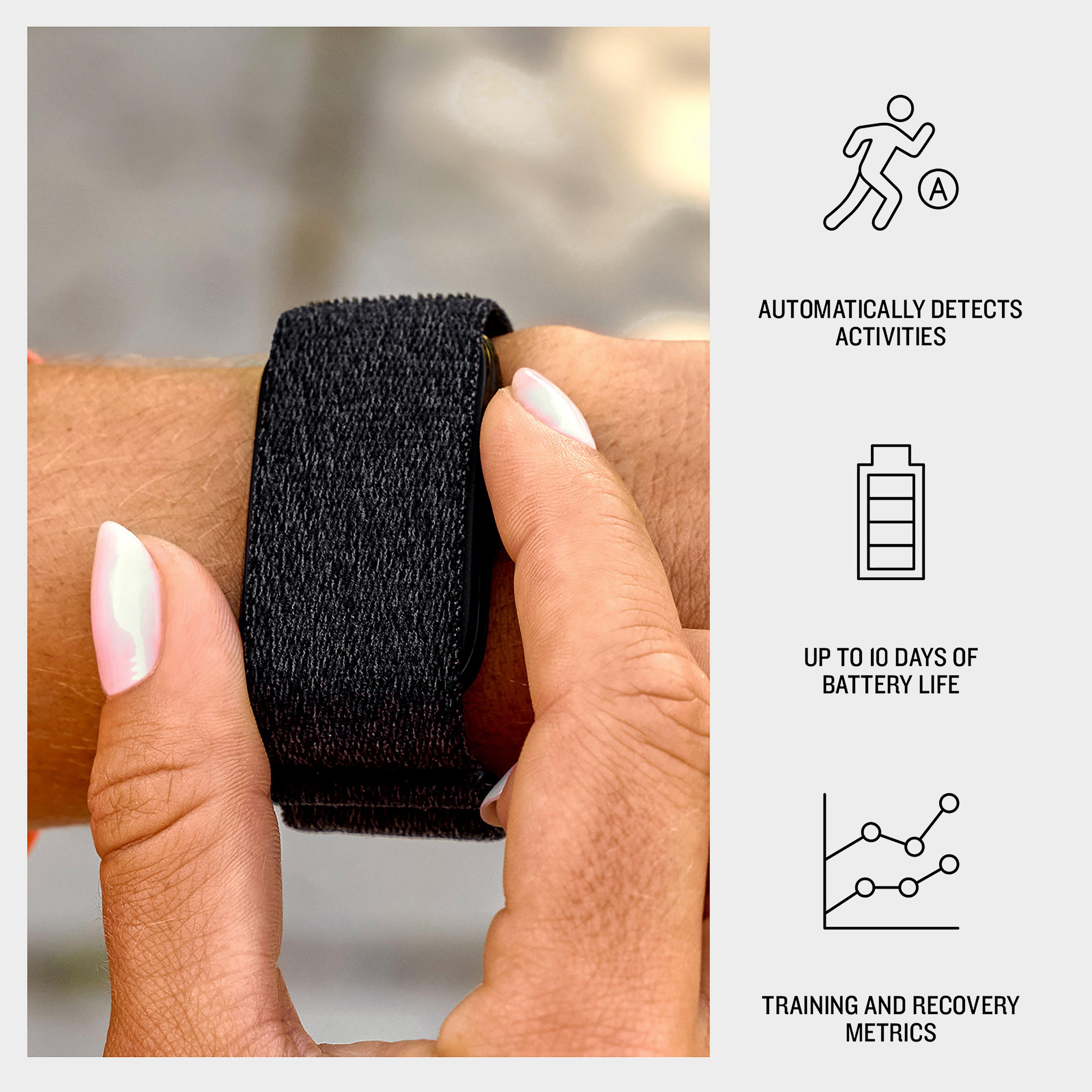
A GPS watch makes it easier to track distance, elevation and pace, particularly when exploring new routes. Many models also include navigation and route-following features.
Trail Running Kit Checklist
Tick off your trail running kit list here –
☐ Trail Running Clothing - Men's/Women's
☐ Trail Running Bottoms - Men's/Women's
☐ Trail Running Jackets – Men’s/Women’s
☐ Trail Running Tops – Men’s/Women’s
☐ Trail Running Shoes – Men’s/Women’s
☐ Trail Running Accessories – Men’s/Women’s
How to Improve at Trail Running
The simplest way to improve at trail running is to spend more time on trails. The terrain challenges your balance, strength and fitness in ways that road running cannot replicate.
Run the Climbs, Walk the Steepest Sections
Hills are part of trail running. Running climbs builds strength and fitness, while walking steeper sections helps conserve energy and maintain momentum over longer distances.
Spend Time on Technical Terrain
Rocky, root-covered and uneven trails develop confidence, balance and foot placement. Short sections at an easy pace often teach more than longer runs on smooth ground.
Follow the 80/20 Rule
Most runs should feel comfortable and conversational.
Around 80% of your running at an easy effort, with the remaining 20% at a harder intensity, is a simple approach that supports long-term progress while helping to manage fatigue.
Mix in Other Activities
Hiking, cycling and strength training all complement trail running well. Strong legs, ankles and glutes help improve efficiency on varied terrain and support injury resistance over time.
Where to Trail Run in the UK
One of the best things about trail running is how accessible it can be. From local woodland paths to mountain trails, there is no shortage of terrain to explore across the UK.
Peak District
A mix of moorland, rocky edges and well-established trail networks, with routes suitable for beginners and experienced runners alike.
Lake District

Photo by Jonny Gios on Unsplash
Home to some of the UK's most iconic mountain trails, with everything from runnable valley routes to challenging ridge lines.
Brecon Beacons
Wide-open landscapes, ridgelines and waterfalls make the Brecon Beacons a rewarding place to explore on foot.
Scottish Highlands
Vast, remote and wild. The Highlands offer some of the most dramatic trail running terrain in the UK and are best suited to runners comfortable with longer and more committed routes.
South Downs
Rolling chalk hills, well-maintained trails and big views make the South Downs a reliable option throughout the year.
Dartmoor
A landscape shaped by open moorland, granite tors and changing conditions. Technical in places, but one of the UK's most distinctive trail running destinations.
Yorkshire Moors

Photo by Illiya Vjestica on Unsplash
Heather-covered moorland, well-marked routes and manageable climbs make the North York Moors an excellent place to build confidence on open terrain.
For discovering new routes, apps such as Strava and Komoot, along with the Forestry England trail finder, are useful places to start.
More Frequently Asked Questions
Are trail running shoes good for hiking?
Yes. Trail running shoes work well for hiking, particularly on day walks where comfort, grip and lower weight are priorities. They're a popular choice for fast-paced hikes and mixed-terrain routes. For carrying heavier loads or tackling prolonged winter conditions, walking boots may offer greater support and protection.
How long do trail running shoes last?
Most trail running shoes last between 300 and 500 miles, depending on terrain, running style and construction. Muddy and technical trails typically wear shoes faster than firm, dry ground. Reduced grip, flattened cushioning and new discomfort during runs are often signs that it's time for a replacement pair.
How much are trail running shoes?
Prices vary depending on brand, materials and features. Entry-level trail running shoes typically start around £50 to £80, while more advanced models often sit between £90 and £130. Premium and specialist options can cost more.
What trail running accessories are worth buying?
Beyond shoes and clothing, a hydration vest, headtorch and GPS watch are some of the most useful additions. Which ones you need depends on where, when and how far you run, but these are often the first upgrades runners make as they spend more time on the trail.
Is trail running harder than road running?
Trail running can feel more demanding because the terrain is constantly changing. Uneven ground, climbs, and technical sections place greater demands on balance, stability and concentration. The trade-off is a more varied and engaging running experience.
How many lumens do I need for trail running?
Around 200 lumens are enough for easier trails and familiar routes. For faster running, more technical terrain or darker conditions, a brighter headtorch will provide greater visibility and confidence underfoot.
Nashath Abdul Khader
Author and Outdoor Enthusiast An outdoor enthusiast and content writer with hands-on hiking experience and a passion for helping people get more from their time outdoors. He researches and writes about outdoor gear, walking, hiking, camping, and the latest trends shaping outdoor adventure.